

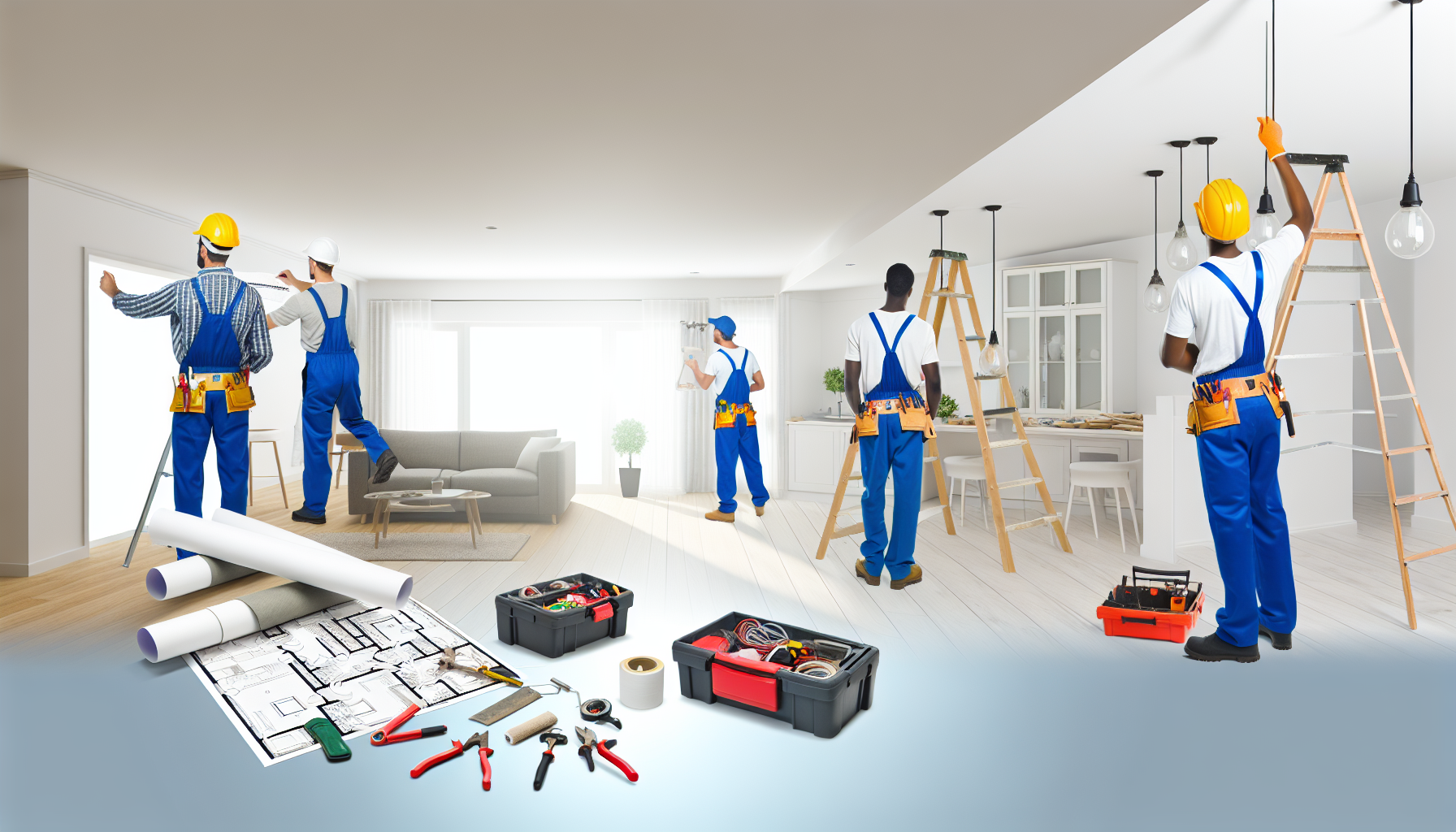
Home improvement is more than just a trend—it’s a strategic investment in your property’s comfort, safety, and value. Modern homeowners seek enhancements that reflect personal style, improve functionality, and optimize efficiency. This article explores the major categories of home improvement, the benefits of expert services, and how specialized professionals can help you achieve your renovation dreams.
Understanding Home Improvement and Its Impact
Home improvement is a multifaceted field encompassing a wide range of projects aimed at enhancing the form, function, and aesthetics of residential spaces. At its core, home improvement refers to the processes of renovating, upgrading, or adding to a home, whether the changes are large-scale structural alterations or smaller cosmetic updates. These modifications can be as straightforward as repainting walls or replacing old fixtures, or as ambitious as a whole-room addition or a complete kitchen remodel.
The primary motivation for home improvement stems from the desire to personalize and optimize living environments. Homeowners today increasingly recognize the significance of tailoring their spaces according to lifestyle needs and preferences. As homes serve not only as a place of shelter but also as spaces for relaxation, work, and leisure, the role of home improvements in boosting daily comfort and enjoyment cannot be understated.
One of the main goals of home improvement is the enhancement of comfort. Comfort improvements can take many forms: installing energy-efficient windows to maintain indoor temperature, upgrading insulation, or incorporating radiant floor heating into bathrooms. Sometimes, it involves updating living areas with more ergonomic layouts, expanding closet space, or choosing materials and colors that foster a sense of tranquility. The result is a space that not only looks better but also feels more inviting and supports the well-being of its inhabitants.
Maintenance is another vital impetus for home improvement. Over time, every home requires care and attention to prevent deterioration. Regular maintenance projects—such as repairing a leaking roof, replacing worn-out flooring, or addressing plumbing issues—are fundamental to preserving the home’s structural integrity. Proactive maintenance efforts not only prolong the lifespan of various home components but also stave off more costly repairs in the future, making them an indispensable part of responsible homeownership.
As families grow or lifestyles change, the need for added space often becomes apparent. Projects aimed at expanding usable space include finishing basements, converting attics to livable rooms, or building new bedrooms or guest suites. In urban settings, this might involve creative solutions like open-plan layouts or multifunctional rooms that serve several purposes—a home office by day that converts into a guest room at night. Beyond physical expansions, reconfiguring existing spaces to maximize their usability has become increasingly popular as homeowners strive to make the most of every square foot.
In recent years, energy savings and efficiency have emerged as significant drivers for home improvement. With rising utility costs and growing environmental awareness, homeowners are investing in upgrades that reduce energy consumption and promote sustainability. This encompasses the installation of high-efficiency appliances, programmable thermostats, solar panels, and advanced insulation materials. Improvements in lighting, such as switching to LED fixtures or implementing smart lighting controls, also contribute to lower energy bills and a reduced carbon footprint. These changes not only lower operational costs but also align with broader societal trends toward eco-friendly living.
Security is another crucial aspect addressed by home improvement projects. The modern homeowner expects more than just basic locks and alarms—there’s a demand for comprehensive security solutions, including video doorbells, smart locks, outdoor lighting, and sophisticated surveillance systems. By enhancing the safety features of a home, these improvements provide peace of mind and directly contribute to an overall sense of well-being for residents.
In essence, home improvement is about transforming a house into a true reflection of its occupants’ needs, preferences, and values. Each renovation, upgrade, or addition is a step toward greater functionality. For example, integrating open-concept designs can make spaces feel larger and promote better interaction among family members; modernizing a kitchen can streamline meal preparation and enhance social gatherings. Even the simple act of repainting a room can foster a renewed sense of belonging and pride in one’s home.
One often overlooked but significant impact of home improvement is the potential to increase property value. Real estate markets consistently show that well-maintained homes with modern upgrades tend to sell faster and command higher prices than comparable properties in need of updates. Kitchen and bathroom remodels, for instance, typically yield strong returns on investment, as these are critical areas for buyers. Improvements to curb appeal—such as new siding, landscaping, or updated front doors—also exert a powerful influence on perceived value.
It’s important to recognize that the approach to home improvement is evolving along with broader societal trends. The rise of remote work has driven demand for dedicated home offices or flexible workspaces. Technology integration—such as whole-home automation systems, wireless networks, and entertainment hubs—caters to lifestyles increasingly reliant on digital connectivity. Furthermore, aging populations have brought greater focus to accessibility improvements, including step-free entrances, wider doorways, and barrier-free showers for enhanced mobility and ease of use.
Ultimately, the growing prioritization of home upgrades reflects a deeper cultural shift in how people view their living spaces. Homes are no longer just static structures; they are dynamic environments that need to adapt and evolve with their occupants. This has led to a surge in demand for both professional expertise and high-quality materials, as homeowners seek lasting, customized solutions to achieve their unique vision.
Expert home improvement services play a pivotal role in this process. Skilled professionals bring not only technical know-how but also creative insights that can transform preliminary ideas into actionable plans. Their experience is invaluable in navigating regulatory requirements, sourcing appropriate materials, and ensuring workmanship that meets or exceeds industry standards. Moreover, professional services often come with access to warranties, maintenance support, and assurance that the investment will stand the test of time.
Securing the right guidance and craftsmanship is increasingly seen as essential, given the rising complexity of contemporary home improvement projects. From integrating advanced electrical systems to implementing sustainable building practices, the expertise of a qualified contractor or designer can mean the difference between a project that enhances quality of life and one that merely adds cost without functional payoff.
For homeowners, the decision to undertake a home improvement project is ultimately an investment—one that pays dividends in comfort, efficiency, safety, and value. As trends shift and new technologies emerge, the possibilities for transforming living spaces continue to expand. Home improvement, therefore, is not a one-time endeavor but an ongoing process of adaptation, innovation, and enhancement, positioning the home as a source of enduring satisfaction and pride.
Key Areas for Effective Home Upgrades
When considering effective home upgrades, it’s essential to understand that every area of a home offers unique opportunities for improvement, each presenting different levels of complexity and producing varied benefits for the household. Whether the focus is on refining interiors, enhancing the exterior appearance and structural integrity, or expanding the existing living space, these projects greatly influence how a home functions, feels, and ultimately, how it serves its occupants over time.
The interior of a home is often where homeowners first turn their attention, seeking both comfort and modern aesthetics as well as improved utility. Among interior renovations, kitchens, bathrooms, and basements are three of the most common and impactful targets for upgrades. The kitchen, often referred to as the heart of the home, is more than a space to prepare meals; it is a hub for family interaction and hosting guests. Upgrading kitchen cabinets, installing energy-efficient appliances, modernizing countertops, and optimizing the layout can transform not just the look but also the usability of the space. For homeowners considering longevity or resale value, kitchen remodels consistently deliver high returns due to the central role this room plays in daily life.
Bathroom renovations, though usually more compact than kitchens, are complex projects involving plumbing, waterproofing, and tile work. Modernizing a bathroom with a walk-in shower, high-efficiency toilets, updated vanities, or heated flooring can add both luxury and practicality, enhancing comfort and accessibility. Given today’s attention to sustainability, features such as water-saving fixtures and LED lighting appeal to both eco-conscious homeowners and prospective buyers.
Basement upgrades, on the other hand, open up expansive possibilities for underutilized space. Converting basements into home theaters, gyms, guest suites, or playrooms is a strategic way to add functional square footage without altering the home’s footprint. While basement renovations can range from simple finishing projects to complex transformations involving insulation, waterproofing, and egress installations, their ability to adapt an otherwise neglected area into valuable living space is unrivaled.
Beyond a home’s interior, exterior upgrades address both the house’s aesthetic appeal and its structural integrity. Roofing, as one of the most critical home improvement areas, provides essential protection from the elements. Replacing aging shingles, upgrading to impact-resistant materials, or adding proper insulation can prevent leaks, reduce energy bills, and increase long-term durability. Siding improvements similarly offer dual benefits: boosting curb appeal and fortifying the building envelope against weather and pests. Today’s siding options, from traditional vinyl to modern fiber cement or engineered wood, combine low maintenance with enhanced insulation and striking appearance.
Windows and doors are other crucial exterior features, often targeted for their effect on energy efficiency. Replacing drafty windows with double- or triple-pane alternatives and ensuring doors are solid, well-insulated, and properly installed contribute to a quieter, more comfortable, and more efficient home environment. Many municipalities now provide incentives for such upgrades, acknowledging their significant impact on reducing household energy usage.
Landscaping, although often underestimated, plays a pivotal role in the overall home improvement narrative. Thoughtfully designed gardens, patios, decks, and even simple lawn enhancements do more than beautify a property. They create spaces for relaxation and recreation, manage water runoff, and increase property value. Exterior lighting, fencing, and irrigation systems further improve security and convenience, reinforcing the home’s perimeter and appeal.
Expanding a home’s footprint with additions is among the most ambitious forms of home improvement, often requiring the expertise of multiple professionals. Whether it’s adding an extra bedroom for a growing family, building a sunroom for year-round enjoyment, or constructing an attached garage, additions dramatically increase living space and flexibility. These projects are inherently complex, involving foundation work, structural engineering, HVAC extension, and seamless integration with existing styles and systems. While more costly and time-intensive, additions can resolve challenges that minor renovations cannot, such as the need for accessible living arrangements or supporting multigenerational households.
Another layer of home improvement involves adapting older homes to new needs or modern standards of efficiency. Historic homes, for example, can be preserved and updated with sensitive renovations that respect original architectural details while infusing modern conveniences. This might involve repairing or replicating ornate woodwork, upgrading outdated wiring and plumbing, or retrofitting insulation behind vintage facades. Such improvements demand a balance of respect for the past and an eye toward the future, requiring specialized knowledge to ensure both historic integrity and family comfort.
The complexity and purpose of each project can vary widely. Cosmetic upgrades—like repainting, replacing flooring, or updating light fixtures—might offer immediate gratification with relatively little disruption or financial investment. More involved renovations and additions, however, call for careful planning, permits, and expert execution. Homeowners must weigh not just the initial cost and timeline, but also the long-term benefits, maintenance, and potential return on investment.
At every stage, the careful selection of materials and finishes influences the durability, safety, and sustainability of home improvement work. Advances in technology have introduced smart home features, energy-efficient systems, resilient surfaces, and sustainable landscaping techniques, allowing upgrades to address not only current needs but also future adaptability.
What distinguishes an effective home upgrade strategy is a holistic assessment of the property and a prioritization of investments based on both personal goals and market trends. For some, the focus may be on creating multi-purpose living areas or dedicated work-from-home spaces. Others may aim to enhance outdoor living to extend usable square footage beyond the walls of the house. Still others will prioritize invisible yet vital improvements like improved insulation, air quality systems, or seismic retrofitting in regions prone to natural events.
Ultimately, the art of home improvement rests in targeting those key areas that, when upgraded thoughtfully, transform a home’s function, comfort, and visual appeal. Each project, regardless of its scale, contributes uniquely by either solving essential problems, enriching daily experiences, or supporting the evolving needs of the household. By understanding these opportunities—and recognizing the varying complexity, purpose, and impact of each—homeowners can craft a phased approach that maximizes both immediate satisfaction and long-term value, setting the stage for the seamless integration of professional expertise and vision in the chapters that follow.
The Role of Professional Home Improvement Services
Professional home improvement services encompass a vast and dynamic field, encompassing everyone from general contractors to highly specialized tradespeople and design consultants. Engaging these experts is fundamental for transforming home improvement concepts into reality. Their expertise does not merely bring technical skill to the table; it weaves together craftsmanship, regulatory compliance, project management, and the creative vision needed to execute complex renovations seamlessly.
At the core of the professional spectrum lies the general contractor, an orchestrator of all moving parts in a renovation. They serve as the primary point of contact for a project, coordinating the scheduling, delivery of materials, labor, and the sequential collaboration of various trades. For example, in a full-scale kitchen remodel, the general contractor will ensure that demolition, electrical upgrades, plumbing modifications, cabinetry installation, tiling, and finish carpentry happen with precision and in the proper order. This oversight protects homeowners from costly delays and mistakes that can easily derail a project handled by less experienced individuals.
Specialized trades further enhance the landscape of home improvement services. *Electricians, plumbers, HVAC technicians, carpenters, masons*, and *painters* bring focused expertise to their respective domains. Licensing, which is strictly enforced in most regions, assures that these professionals are up to date on safety codes and technical standards. Beyond technical execution, their work must meet local building codes—regulations established to ensure the safety and longevity of your home. An improperly wired electrical panel or substandard plumbing may not only invalidate insurance but, more importantly, create ongoing hazards for residents. Trusted specialists guarantee that all modifications, whether behind-the-wall rewiring or surface-level installations, are done to the highest contemporary standard.
The design consultant or interior designer adds another crucial layer. With insight into space planning, current trends, and user experience, they can help homeowners avoid common pitfalls such as poor lighting layouts, misused space, or out-of-sync style choices. They integrate aesthetic vision with functional needs, balancing practicality—like storage solutions or accessibility—with taste, from color schemes to bespoke fixture selections. Their value is particularly evident in larger-scale or open-concept renovations, where flow, coherence, and ambient experience play pivotal roles. Many design professionals also maintain relationships with trusted vendors and craftspeople, streamlining the process for clients and providing access to exclusive or higher-quality materials.
Another niche within professional services is occupied by *renovation consultants* and *project managers*, whose role is to serve as unbiased advocates for homeowners. They review quotes, oversee timelines, and ensure that the client’s interests are prioritized throughout. This is especially beneficial in high-value or multi-stage renovations, where small miscommunications can lead to major scope increases and costly overruns. The unbiased oversight provided by project managers can be the difference between a well-executed vision and a renovation riddled with compromises.
Regulatory compliance is a less visible but absolutely integral part of professional home improvement. Building codes, zoning laws, fire safety regulations, and homeowners’ association rules must all be considered and integrated. Professionals stay current on local legislation, permit needs, and inspection processes. This protects homeowners from potential fines, forced removals, or even legal disputes that can arise from non-compliant work. Knowing that your contractor is not just aware of these requirements but proactively addresses and communicates them provides invaluable peace of mind.
*Quality assurance* is synonymous with the professional approach. Reputable service providers use high-grade materials, proven techniques, and industry-standard procedures, often backed by warranties. Their workmanship will stand up to scrutiny and use, visibly raising the quality and durability of your home. They also ensure that the unseen elements—such as proper waterproofing behind tile, adequate insulation in wall cavities, or robust framing in new additions—work as designed, saving homeowners from premature failures and added expense down the line.
Efficiency is another hallmark of professional involvement. Coordinated labor, pre-planned material deliveries, and realistic schedules reduce waste, downtime, and disruption to the homeowner’s daily life. Especially in homes where families must continue to live during renovations, minimizing the duration and impact of worksites is crucial. Professionals approach projects with contingency plans, so unforeseen issues (like hidden mold or asbestos) are quickly addressed without halting progress indefinitely.
With such high stakes, the importance of hiring reputable service providers cannot be overstated. A reliable professional is defined not just by their technical ability, but their transparency, communication skills, and documented track record. When vetting potential contractors or specialists, it’s wise to:
- Request proof of licensing and insurance, including liability and workers’ compensation coverage.
- Ask for relevant certifications, especially for specialty work like electrical jobs, asbestos removal, or historic home renovations.
- Examine examples of previous projects—before-and-after photos, site visits, or references from prior clients.
- Check for affiliations with professional organizations, as membership in groups like the National Association of the Remodeling Industry (NARI) or the National Kitchen and Bath Association (NKBA) often signals ongoing commitment to education and ethical standards.
- Review online feedback and ratings from trusted review platforms, the Better Business Bureau, and local consumer protection agencies.
- Ensure proposals are detailed and written, outlining specific materials, labor, timelines, and payment structures.
- Clarify the process for handling changes, addressing unforeseen obstacles, and warranty coverage on workmanship and materials.
Red flags during the selection process include vague or verbal-only estimates, reluctance to sign formal contracts, pressure to make swift decisions, or inconsistent communication. Trustworthy professionals are transparent about what they do and do not know, willing to discuss challenges openly, and eager to document their promises in writing.
Ultimately, the right partnerships can mean the difference between a home improvement that elevates daily living and one that causes ongoing frustration. When professionals are chosen carefully, they don’t just execute tasks—they become collaborators in enhancing quality of life, boosting property value, and turning abstract ideas into tangible, lasting improvements. Their systemic approach enables homeowners to move with confidence into the next critical phase: strategically planning the course of their renovation, setting goals, managing budgets, and ensuring every detail is covered for a smooth and successful transformation.
Strategic Planning for Successful Renovations
Strategic planning is at the heart of any successful home improvement project, functioning as the bridge between your dreams and the reality craftable by skilled professionals. To embark on a home renovation that delivers optimal functionality, beauty, and return on investment, careful preparation and informed decision-making are essential at every phase. This process begins long before the arrival of any contractor—starting instead with your vision, mission, and organizational approach.
The foundation of a strategically planned renovation is clear goal setting. Before contacting services or collecting estimates, articulate precisely what you want to achieve. Ask yourself what aspects of your living space leave you dissatisfied or could be enhanced to better suit your family’s needs. Whether it’s modernizing a kitchen for greater efficiency, creating an open-plan living area, or upgrading insulation to improve comfort and energy efficiency, clear objectives provide a guiding reference for every major decision. Develop a prioritized list of both must-haves and desirable features, allowing for meaningful discussion with design consultants and tradespeople during the consultation phase.
Budgeting is equally crucial, and this area benefits greatly from transparency and realism. Begin by researching the potential costs for different scopes of work; online calculators, neighbors’ anecdotes, and initial contractor consultations can provide ballpark figures. Decide on a maximum budget, inclusive of a contingency fund—typically 10–20% of the total estimated cost—to accommodate unforeseen expenses and changes requested mid-project. Remember to factor in not only materials and labor, but also design fees, permits, and temporary living arrangements, if necessary. Open, early discussion about budgetary limits during professional consultations helps set expectations and enables contractors to propose custom solutions that maximize value within your constraints.
Prioritizing tasks comes into focus during discussions with experts. With your wish list in hand, identify which updates will deliver the greatest impact on daily life, property value, and long-term savings. For instance, essential repairs may need to precede aesthetic upgrades, while energy-efficiency improvements might provide rebates or future savings to offset initial costs. Professional designers and contractors can help sequence tasks logically: structural repairs before finishes, electrical and plumbing work before installing cabinetry, painting after all heavy construction is complete. Establish a hierarchy of work, making concrete decisions about which phases could wait if faced with budget limitations or time constraints.
Scheduling the work is more involved than simply marking calendar dates. Efficient project management involves mapping out the sequence and anticipated timelines for each phase, from demolition through final inspection. Factors influencing scheduling include lead times for materials, availability of specialized trades, and external elements such as weather conditions for exterior projects. By developing a master schedule—often with the collaboration of your chosen contractor or project manager—you gain visibility into the order and duration of tasks, enabling you to make logistics arrangements and minimize disruptions to household routines.
Consultations are not just opportunities to collect bids, but vital stages for information gathering, idea refinement, and relationship building. Make the most of meetings with contractors, architects, or design consultants by preparing a list of questions that cover both creative and practical concerns. Bring photos, sketches, and your prioritized task list to paint a clearer picture of your expectations. Ask for input regarding alternative materials or design solutions, and request clarification on how unforeseen circumstances (like hidden water damage) are typically handled.
Binding agreements and contracts are indispensable components of a successful renovation. Once you have chosen the professionals or firms that best align with your goals and ethos, insist upon detailed written contracts. These documents should outline the exact scope of work, cost breakdowns, timelines, milestones for payments, change-order protocols, and warranty details. High-quality contracts minimize misunderstandings, providing recourse in case of delays or deviations from the specified plan. Review proposals and contracts with care, and never hesitate to ask for clarification or revisions to ensure that your interests are protected.
Periodic assessments during the project lifecycle are equally important. Establish check-in points aligned with critical stages—such as demolition completion, framing, electrical installation, and finishing—to monitor progress and adherence to the contract. Use these checkpoints to evaluate quality, address any concerns, and, if needed, approve changes with written documentation. Periodic assessments are opportunities for collaboration, enabling you to remain actively engaged in the process without undermining your contractor’s expertise.
Effective communication underpins every aspect of strategic planning and execution. From the outset, set the tone for open, respectful, and thorough dialogue. Determine a preferred channel for updates—whether via email, phone calls, or project management apps—and agree on a frequency for progress reports. Keep a running record of questions, approvals, and requested changes so that everyone involved remains informed. Being proactive with questions and responsive to queries from your contractor helps solve problems early, rather than allowing small issues to escalate.
For optimal results, cultivate a collaborative rather than adversarial working relationship with your chosen professionals. While you possess the ultimate authority as the homeowner, recognize and respect the experience and knowledge your team brings to the table. Encourage their input on best practices, sequencing, and potential upgrades, while holding firm to your stated priorities and must-have outcomes. Regular, honest feedback helps adjust workflows, clarify expectations, and maintain morale. When changes inevitably become necessary, approach them as joint problem-solving exercises, being mindful of their impact on cost and timeline.
Be prepared for the unexpected as well. Even the most meticulously planned renovations encounter surprises—ranging from supply chain disruptions to discoveries of outdated wiring, moisture damage, or foundation issues. Strategic planning involves not just setting a contingency fund but also maintaining flexibility in your timeline and priorities when required. Trust in your contract’s provisions for addressing unforeseen work and use scheduled assessments as opportunities to recalibrate both scope and schedule collaboratively.
Ultimately, the strategic planning phase is where the groundwork for a smooth, rewarding renovation is laid. By setting clear objectives, developing a realistic budget, prioritizing tasks, and embracing consultation and collaboration, you maximize the likelihood of a process that remains on track in terms of both quality and cost. Detailed contracts and ongoing communication protect your interests and ensure that your project lives up to its full creative and practical potential, readying your home for the benefits that only expert home improvement services can bring.
Benefits of Investing in Home Improvement Services
Investing in professional home improvement services provides homeowners with a range of tangible and intangible benefits that extend far beyond the immediate aesthetics of a renovated space. When it comes to transforming a house, expert involvement often means unlocking the full potential of the property—improving everything from value and comfort, to safety, energy performance, and the enduring quality of the installations. Unlike a DIY approach, where results can be limited by experience and resources, professional services deliver a level of precision, reliability, and insight that truly defines a long-term investment in your home.
- Boosting Property Value
Real estate markets consistently reward properties that demonstrate quality, modern features, and exceptional upkeep. Well-planned and professionally executed improvements often have a direct effect on property value, positioning homeowners for greater returns if they choose to sell or refinance. This isn’t just about curb appeal—buyers are increasingly savvier about issues like structural integrity, energy efficiency, and up-to-date mechanics. Appraisers and realtors also recognize the difference between amateur and expert workmanship. When upgrades or renovations—such as kitchen remodels, bathroom updates, or energy-efficient windows—are carried out by seasoned pros, they meet building codes, industry benchmarks, and often come with warranties that protect that investment. The completion of such projects can bridge the gap between what’s currently marketable and what stands out in listings, ensuring your home doesn’t just keep pace, but leads in its segment.Moreover, professionals are adept at guiding owners toward high-impact investments, avoiding over-improvement (where costs outpace value added), and suggesting updates that increase functional square footage or tap into emerging design trends. This expertise transforms the renovation budget into an engine for future financial gain. - Amplifying Comfort and Personalization
Every family’s needs and lifestyle evolve, and an inflexible or outdated living space can impact everyday satisfaction. Home improvement services excel at assessing how a space is actually used and reimagining it for better flow, storage, lighting, acoustics, and room-to-room connectivity. Professionals can suggest open-plan layouts, custom built-ins, or expanded windows, using their understanding of design psychology and building science to enhance comfort levels. Beyond generic upgrades, they champion tailored solutions—like converting unused attics to home offices, crafting mudrooms for busy households, or installing soundproofing for peace and quiet.Expert teams pay attention to subtleties that matter: natural light angles, ergonomic details, smart home integrations, and accessibility considerations for those with special mobility needs. In doing so, they create results that mesh with how the owners actually want to live, not just what looks good on paper. The difference is a home that nurtures well-being and supports life’s daily routines in ways that generic fixes rarely achieve. - Enhancing Safety and Compliance
Safety is a foundational pillar that underpins every legitimate home improvement. Professionals bring current knowledge of building codes, fire regulations, electrical standards, and environmental requirements to the table. This means wiring is upgraded for heavy-duty appliances, structural supports are reinforced, and aging plumbing is replaced with modern systems that prevent leaks or water damage. Professional oversight drastically reduces the risk of accidents—such as electrical fires or collapses due to shoddy craftsmanship—and eliminates the possibility of hidden problems that can endanger inhabitants or future buyers.More than this, documented compliance and permits obtained by licensed contractors protect homeowners legally and financially. In many jurisdictions, unpermitted work can delay or derail the sale of a home and may not be covered by insurance in the event of a disaster. Professional services shield you from these pitfalls, ensuring the home is not only beautiful and functional but fortified against catastrophe and fully marketable. - Realizing Energy Savings and Sustainability
The ongoing costs of heating, cooling, and operating a home are significant, but expert renovation teams offer pathways to reduce them. Through building envelope upgrades—such as enhanced insulation, double- or triple-glazed windows, and air-sealing techniques—professionals optimize a home’s thermal performance, lowering energy bills for years to come. Similarly, HVAC overhauls, solar panel installations, and LED lighting upgrades are increasingly popular as part of wider eco-conscious renovation strategies.Professional expertise is critical in conducting energy audits and recommending changes most relevant to your home’s age, orientation, and climate. Tailored solutions might include zoning HVAC systems to target only occupied areas, installing smart thermostats, or integrating renewable energy features that may also qualify for tax incentives. The outcome is a property that is not only more eco-friendly, but demonstrably less expensive to run—delivering returns year after year while shrinking its environmental footprint. - Assuring Lasting Durability and Low Maintenance
One hallmark of expert home improvement services is the commitment to lasting durability. Professionals have access to premium-grade materials and the technical acumen to install them properly, adhering to manufacturer specifications that safeguard against premature failure. This extends beyond aesthetics to include critical elements like roofing systems, weather-resistant sidings, waterproof membranes in wet areas, or substrate preparation that resists settling and cracking.Such meticulous installation practices mean fewer callbacks for repairs, years of service without the need for overhaul, and the peace of mind that comes from comprehensive warranties. Moreover, the right choices at renovation time minimize ongoing maintenance; for instance, non-porous countertops, stain-resistant flooring, and low-maintenance landscaping can all be factored into a professional’s project scope. This focus on longevity protects not just the immediate investment, but the homeowner’s available time and resources in the future.
Expert Guidance: Maximizing Value and Minimizing Risks
A recurring theme throughout professional home improvement is the intelligence and foresight that experts bring to the entire process. Beyond their craftsmanship, they serve as project managers, regulatory liaisons, and trusted advisors. This means helping homeowners avoid the pitfalls of overspending on low-return upgrades, steering clear of legal or code violations, and anticipating technical challenges before they snowball into expensive problems. Through ongoing consultations, pros help clarify priorities, anticipate future lifestyle shifts, and phase work in ways that align with budget and planned occupancy.
With expert oversight, risks—such as hidden structural flaws, water infiltration, or underlying pest infestations—are identified and addressed rather than covered up. This due diligence is invaluable: it prevents small defects from becoming catastrophic failures, and it ensures that new work isn’t undermined by old problems. Ultimately, professional home improvement services are the guardian against shortsighted choices, poor material selection, or installation errors that can erode the value and comfort of your home over time.
Casting Home Improvement in a New Light
Professional home improvement services do more than produce a visible upgrade; they represent a systematic approach to personalizing, safeguarding, and enhancing your largest asset. Leveraging their design sensibility, technical skills, and regulatory know-how, experts transform vision into results that are durable, comfortable, beautiful, and efficient. When you invest in this caliber of service, your living space evolves to reflect not only your personal tastes and practical needs, but also the evolving standards of the market and the demands of the future.
Conclusions
Home improvement is a multifaceted endeavor that enhances comfort, safety, and value. Professional services streamline the process, ensuring that renovations meet high standards and yield lasting benefits. By strategically planning with skilled experts, homeowners can achieve transformative results, making their living spaces more enjoyable, efficient, and valuable for years to come.