

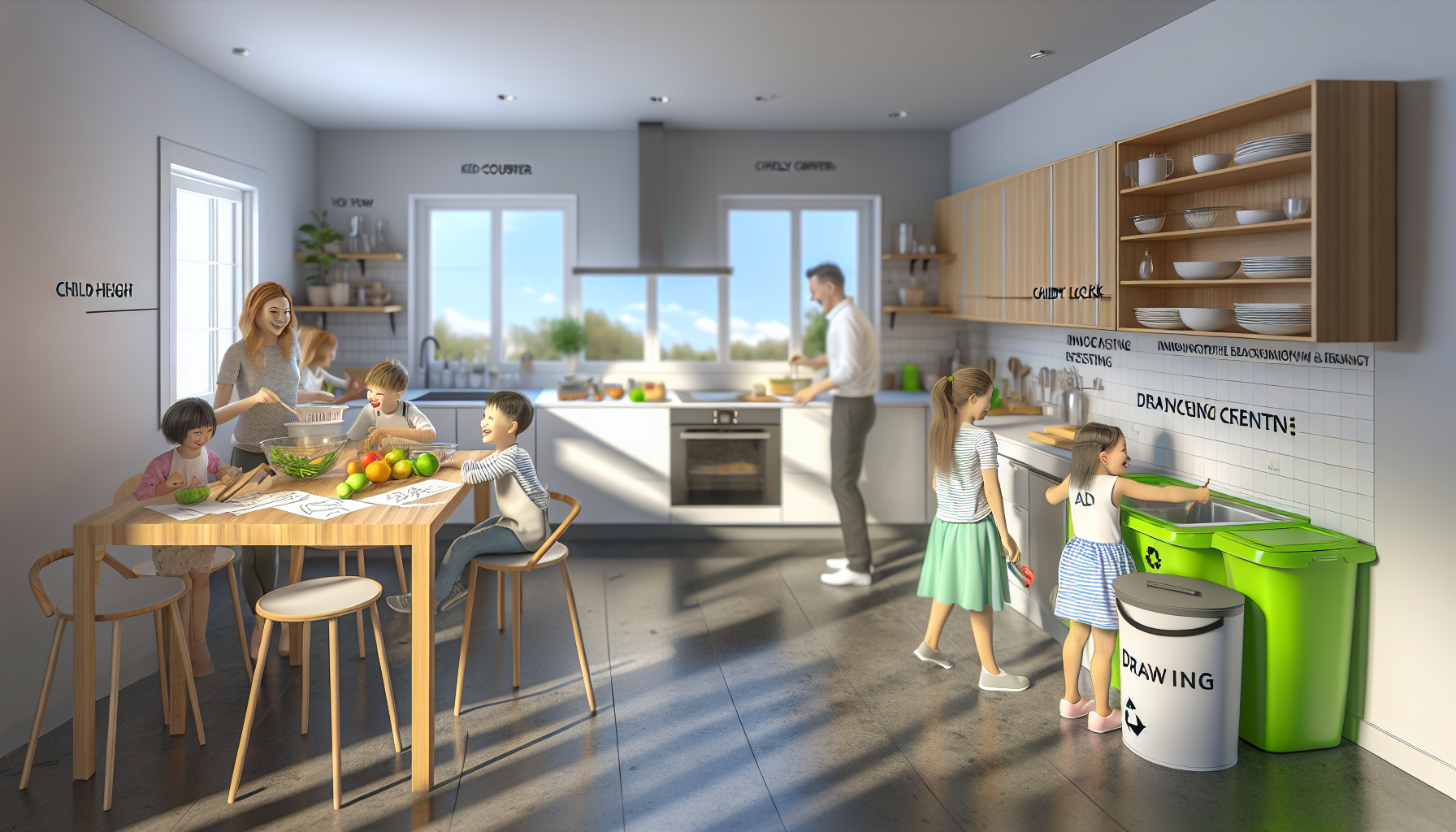
From making mealtimes safer to sparking creativity in your little ones, upgrading your kitchen can greatly benefit families with children. In this article, we explore smart kitchen home improvement tips and creative ways to involve kids in the process, making every upgrade both functional and family-friendly.
Understanding the Importance of Kitchen Home Improvement for Families
The kitchen stands apart in every household as a uniquely vibrant, essential, and dynamic space, pounding with the rhythms and rituals of daily family life. For families with children, the kitchen is more than just a place for preparing meals—it’s a central hub for connection, learning, nurturing, and making timeless memories. The breakfast rush, after-school snack time, and weekend baking adventures all happen here, reinforcing the kitchen’s reputation as “the heart of the home.” Consequently, the design, functionality, and safety of the kitchen have direct ramifications on the comfort, happiness, and wellbeing of each family member, especially the youngest ones.
Upgrading or improving your kitchen isn’t merely a matter of aesthetics or fashion—it’s about aligning the most important room in the house with your family’s evolving needs. According to a study from the National Association of Realtors, 80% of homeowners reported a greater desire to be at home after remodeling their kitchen, and 69% noted increased enjoyment of their home. For families, this translates to more opportunities for shared moments and fostering lifelong healthy habits in children, like cooking together or having family meals.
There are compelling statistical and practical reasons for families with kids to invest in kitchen home improvements. Real estate data consistently shows that an updated, well-designed kitchen yields one of the highest returns on investment in home improvement, with the Cost vs. Value Report 2023 indicating a major kitchen remodel can recoup an average of 75-80% of its cost during resale. But beyond future financial returns, there are everyday, immediate gains—comfort, safety, adaptability, and economical utility.
*Comfort* is paramount in any family kitchen. Modern kitchen layouts increasingly emphasize ergonomics—features like lower countertops, wide walkways, and accessible storage enable everyone, including children, to participate in kitchen activities. It’s common nowadays to see “homework nooks” or built-in benches along the kitchen perimeter, so children can do homework under a parent’s supervision while meals are being prepared. Similarly, incorporating multi-level islands or breakfast bars at varying heights allows for both adult and child use, serving as a bridge between kitchen chores and fun family gatherings.
*Additional space* is another universal goal, particularly for growing families. Clutter accumulates quickly in active households, so smart storage is a must. Homeowners are increasingly turning to solutions like pull-out pantry shelves, deep drawers for pots and pans, or corner “carousel” cabinets to optimize square footage and keep potentially dangerous items (like heavy mixers or sharp utensils) out of easy reach from little hands. Expanding the kitchen footprint itself—by knocking down non-structural walls or utilizing open plan concepts—creates a space that accommodates both meal prep and kid-friendly activities, such as craft projects or baking sessions, without crowding or cross-contamination.
*Maintenance and ease of cleaning* are crucial for families with young children, for whom spills and messes are simply part of the daily experience. Choosing home improvement materials specially designed to withstand sticky fingers, spilled juice, or rogue spaghetti sauce pays dividends in both time and stress savings. Quartz or solid-surface countertops, for instance, resist stains far better than traditional marble, and high-gloss, easy-wipe cabinetry makes cleaning up after enthusiastic little helpers much less daunting. Similarly, installing durable, water-resistant flooring—like luxury vinyl plank or linoleum—means that the inevitable dropped cup or pet accident won’t lead to costly repairs or lingering odors.
*Energy savings* are not only a practical matter of reducing utility bills, but also offer an opportunity to model sustainable living for children. Upgraded ENERGY STAR-rated appliances, such as dishwashers, refrigerators, and ovens, consume significantly less power and water, reducing your household’s carbon footprint. Families are also swapping out incandescent lighting for LEDs, or adding thoughtfully placed task lighting to reduce overall energy consumption while making kitchen activities, from chopping veggies to helping with homework, safer and easier.
Designing kitchens with families in mind has become a growing trend rather than a niche concern. The explosion in family-oriented home design content across social media platforms, coupled with the shift to remote or hybrid work and schooling, has turned the kitchen into the unofficial epicenter of family life. This has prompted architects and designers to adopt flexible seating arrangements, foster natural light with large windows, and integrate technology with features like USB charging stations or smart-home hubs. All these advancements serve not just to modernize the space but to make it actively supportive of the diverse, constant demands of family life.
Another compelling reason to prioritize kitchen improvement is the positive developmental impact on children when they are invited into the kitchen space. Studies indicate that children who participate in meal preparation are more likely to develop an interest in healthy eating and build crucial life skills earlier on. Consequently, adding design elements such as step stools, child-height work surfaces, or dedicated kiddie drawers stocked with safe kitchen tools helps foster a sense of independence and confidence in children.
Open-concept kitchens continue to dominate renovation wish-lists precisely because they enhance supervision and engagement for parents. By minimizing barriers—literal or figurative—between food preparation, homework, and hangout zones, an open kitchen empowers parents to monitor activities, keep conversation flowing, and manage multiple needs simultaneously without feeling isolated from the action. Families with multiple children have especially gravitated to these designs for their ability to let siblings collaborate, share tasks, and build routines together.
It’s also important to consider inclusive design for children with disabilities or special needs. Simple home improvement measures like side-opening ovens, lever-style faucet handles, and pull-down shelving ensure that everyone in the family—even those with limited mobility—can participate, reinforcing the kitchen’s core value as a space for togetherness.
Kitchen upgrades extend beyond the mere aesthetics or technology. These changes, carefully and deliberately planned with kids in mind, fundamentally embrace what it means to nurture a family—balancing daily convenience with warmth and adaptability, safeguarding well-being, and setting up the framework for years of joyful, shared living. The modern family kitchen, therefore, is not simply a backdrop for nourishing meals, but a stage where life’s best moments unfold and where everyone, regardless of age or ability, has a meaningful place.
Safety First Creating a Kid-Friendly Kitchen Environment
A kid-friendly kitchen begins with a foundation of safety, creating not just a functional family space, but one where parents and children alike can enjoy meals, cooking, and time together with peace of mind. While beautiful design and family-oriented features are essential, nothing is more fundamental than ensuring an environment free from common hazards. By strategically addressing risks and making thoughtful upgrades, you can foster your children’s independence and curiosity without constant worry.
Child-Proofing Cabinetry and Drawers
Cabinets and drawers are magnets for curious little hands. Many parents underestimate the appeal these spaces hold—gleaming handles, hidden treasures, and sometimes, dangerous items. The first line of defense is installing high-quality child-proof cabinet locks on all lower cabinets and drawers. Research into child injury prevention consistently recommends mechanisms such as magnetic or mechanical latches, which have proven extremely effective at deterring access to cleaning agents, sharp utensils, or small appliances when properly installed. Opt for hardware that is difficult for kids to operate but still convenient for daily adult use. Adhesive-mounted options are an alternative for renters or those wary of drilling, ensuring the improvement works for any family situation.
Rounded Edges: A Subtle Safety Game-Changer
The kitchen is filled with hard and sometimes sharp surfaces. As children dart around or reach up for countertops, bumps and scrapes are almost inevitable with traditional square-edged counters. Rounded countertop edges reduce the risk of serious injury. Select bullnose or pencil-edge profiles for all countertop materials, from laminate to quartz. This single design choice creates a more forgiving environment for toddlers learning to walk or siblings chasing one another. If replacing countertops isn’t feasible, consider corner guards as an interim solution. These soft, often transparent protectors provide an added measure of security at a minimal cost, maintaining aesthetics while safeguarding your child.
Electrical Outlet Safety
Kitchens often have multiple outlets situated at the same height as little explorers’ hands. The American Academy of Pediatrics recommends always using tamper-resistant (TR) electrical outlets—the current standard in new homes. For older kitchens, invest in sliding safety covers or plug-in caps, making outlets virtually inaccessible to small fingers. Integrating GFCI (ground-fault circuit interrupter) outlets is also crucial, reducing risks in case of accidental water contact. For added protection, position countertop appliances with cords toward the back of the counter and away from the edges, preventing a child from tugging and pulling a heavy or hot item onto themselves.
Safe, Non-Slip Flooring Choices
Spills are unavoidable where there are kids, and falls are a leading cause of childhood injury at home. When upgrading your kitchen floors, prioritize materials with inherent traction. Look for tile options rated for slip resistance or luxury vinyl plank flooring with textured surfaces. Cork is another family-friendly flooring option; it’s forgiving on feet and joints while offering a non-slip quality that benefits children and adults alike. If a full floor replacement isn’t an option, non-slip mats strategically placed near the sink, stove, and refrigerator add safety with the bonus of being easy to clean and replace.
Hazardous Substance Storage Solutions
The kitchen often houses more hazardous substances than any other room. From dish soaps and cleaning sprays to food storage bags and medications, a clear organization and secure storage strategy is essential. Designate an upper cabinet or a lockable pantry as the sole storage space for all dangerous products. Label these containers with child-proof caps and use stackable bins for easy organization, placing toxic substances entirely out of reach and sight. For families with older children, color-coded or pictogram labels offer visual cues to teach kids what is “off-limits,” encouraging responsibility as children mature.
Controlling Water Temperature and Safe Fixtures
Burns from hot water are a serious risk, especially with lively children eager to help with dishes or clean-up. Install anti-scald devices—thermostatic mixing valves or pressure balance valves—on all kitchen sink faucets. Experts recommend setting your water heater’s thermostat to a maximum of 120°F (49°C), significantly reducing the chance of burns without sacrificing cleaning power. For faucets, choose lever-style handles over knobs; they’re simpler for little hands to operate and easier to control with wet or soapy fingers, enhancing safety and independence.
Prioritizing Proper Ventilation
Good kitchen ventilation is vital for every family, and especially so in homes with young children. Cooking, cleaning products, and certain building materials can release fumes and particulates that affect indoor air quality. The Environmental Protection Agency (EPA) notes that children are more susceptible to airborne toxins, making a quality range hood or vent fan a must-have. When planning improvements, select a vented range hood that exhausts air outside rather than recycling it. If a full renovation is not possible, portable air cleaners with HEPA filters serve as a supplementary solution, particularly during high-heat cooking or chemical usage.
Clever Organization for Everyday Safety
Strategic storage solutions not only reduce clutter but also prevent everyday accidents. Incorporate pull-out shelves, lazy Susans, and drawer dividers to ensure that heavy or breakable items never share space with children’s dishes or snacks. Design one or more “kid zones”—dedicated, easy-to-access drawers or baskets—stocked with safe utensils, cups, and healthy treats. By making children’s kitchen tools and foods easily accessible (while keeping adult items higher or locked away), you eliminate temptations that encourage unsafe climbing or rummaging.
Lighting for Safe Navigation
Adequate lighting is a frequently overlooked safety upgrade. Install under-cabinet lights to brighten counter workspace, reducing the risk of cuts and burns by improving visibility while prepping food. Nightlights or motion-activated pathway lights provide gentle illumination for midnight snack seekers and reduce falls during early mornings. Select bulbs that offer a soft, warm glow to minimize harsh reflections from glossy surfaces, making the kitchen inviting while protecting sensitive young eyes.
Expert-Inspired, Family-Welcoming Design Choices
Experts increasingly recommend an “eyes-on” approach—open sight lines between the kitchen and other family areas. Removing visual barriers such as high breakfast bars or opaque dividers keeps children safely in view at all times without making them feel excluded from kitchen activities. Opt for glass-front cabinets up high to display rarely used items and create a lighter, more inviting look that draws the family together.
Incorporating these kid-centric safety improvements into your kitchen upgrade not only decreases anxiety for parents but also creates a supportive environment for children to grow, learn, and develop healthy habits. With hazards minimized, your family kitchen becomes both the heart of the home and a haven for creativity, learning, and togetherness.
Design Ideas to Engage Kids in the Kitchen
Families seeking to transform their kitchens into vibrant hubs of activity frequently envision a space that caters to all its users—especially children. Striking the right balance between functionality, safety, and creativity unlocks opportunities to involve kids in the rhythm of family life, from meal prep to homework time. Forward-looking design ideas can radically increase both engagement and independence, nurturing children’s life skills and curiosity within a kitchen environment that grows with their needs.
Integrating child-height features is one of the most transformative upgrades for encouraging kids to get hands-on. Traditional countertops, typically set at adult height (36 inches), often place younger children at a disadvantage, relegating them to passive observers. By introducing a dedicated child-height countertop or island section—usually between 28 to 32 inches high—children gain comfortable, ergonomic access to work surfaces. Whether kneading dough, assembling their own sandwiches, or helping to wash vegetables, this accessible zone promotes active participation and gives children agency over small tasks. Folding or pull-out step stools are an alternative for limited spaces, but a built-in, sturdy, and easy-to-clean counter designed for kids invites spontaneous involvement while ensuring stability.
Similarly, reimagining storage fosters independence. Incorporating lower drawers or cabinets specifically for children empowers them to retrieve utensils, plates, or healthy snacks safely and without constant adult assistance. Deep, easily accessible snack drawers stocked with individually portioned fruits, nuts, or crackers encourage better eating habits and reduce interruptions during meal preparation. Transparent pull-out bins in refrigerators or base pantry cabinets also help little ones make thoughtful choices, supporting a sense of responsibility and self-reliance. For families with multiple children or children sharing responsibilities, organizers within these drawers minimize mess and help establish order.
Creativity and connection can be fostered through design elements that invite play and self-expression. Chalkboard or whiteboard walls, when strategically placed near prep or dining areas, serve as dynamic canvases for artwork, family notes, or interactive grocery lists. These writable surfaces don’t just entertain children while the adults cook—they also can be harnessed for educational activities, such as writing out recipes together, planning menus, or practicing spelling using food terms. Also popular are magnetic or corkboard panels for displaying artwork, school notices, or rotating chore assignments, making the kitchen a truly collaborative family nerve center.
Recognizing that the kitchen often doubles as a homework hub or arts corner, many families now dedicate a compact workstation within the kitchen—ideally visible but somewhat removed from splashes and spills. Outfitting a section of cabinetry or a built-in nook with adjustable chairs, accessible drawers, and charging outlets establishes a multipurpose zone. This spot can morph from homework station in the afternoon to craft space on weekends, with easy-to-clean surfaces that welcome everything from glittery glue projects to science experiments. Tucked-away baskets or bins corral school supplies, coloring books, or craft kits, making clean-ups swift and seamless before meal times.
Lighting plays a crucial but sometimes overlooked role. Layered illumination—combining bright overhead LEDs with child-height under-cabinet lighting—makes tasks safer and environments more inviting. Dimmable fixtures over homework spaces or kitchen tables create a conducive atmosphere both for focused activity and relaxed family dinners. Thoughtful placement prevents harsh shadows that might frustrate beginning readers or budding chefs, while also highlighting the defined areas intended for children’s use.
A family-friendly kitchen must bridge the gap between kid-centered features and grown-up priorities. Products with dual-purpose designs, such as adjustable-height islands, rolling carts, or modular cabinetry, ensure the space adapts as children grow older. For example, a rolling prep cart can serve toddlers as a snack trolley, then transition to a baking station for tweens, and ultimately find new purpose as an entertaining cart for adult gatherings. Cabinets equipped with soft-close hinges, easy-pull handles, and durable laminates stand up to rougher use while retaining a sophisticated style for adults.
Materials and finishes also require careful consideration. Surfaces should be non-porous and resistant to stains or scratches—quartz and high-gloss laminates offer resilience without sacrificing aesthetics. Choosing rounded-edge countertops and shatterproof backsplashes, as outlined in previous discussions, protects little ones while still ensuring a modern, appealing look. Flooring under dedicated play or workspace zones can be upgraded with cushioned, easy-clean mats to increase comfort during long craft or homework sessions.
The benefits of these thoughtfully designed spaces extend well beyond mere convenience. Research consistently shows that children who participate in meal preparation develop healthier eating habits, higher self-esteem, and better problem-solving skills. Family kitchens structured to welcome children empower them to contribute more, communicate openly, and explore their interests under the watchful, guiding eye of parents. The kitchen becomes a classroom of life skills, where math is practiced through measuring, science explored through baking, and social bonds forged over shared tasks.
Family-focused upgrades that blend seamlessly with adult kitchen needs include:
- Child-height prep stations: Built-in or portable work surfaces scaled for little hands, with easy access and wipeable tops.
- Snack, dish, and utensil drawers within kid’s reach: Equip drawers with adjustable dividers, transparent fronts, and soft-close runners for safety and ease-of-use.
- Interactive creative wall space: Chalkboard, whiteboard, magnetic, or cork surfaces for art, lists, chores, and family messages.
- Integrated homework/craft corners: Designated nooks with storage, charging ports, and kid-sized seating that transition smoothly between crafts and academic tasks.
- Layered lighting: Multiple light levels at both adult and child heights for safe, flexible, and comfortable use of different zones.
- Soft, durable materials: Rounded corners, shatterproof backsplashes, and easy-clean flooring, including zones with extra cushioning for play.
- Convertible modular furniture: Moveable carts and adjustable islands that serve diverse functions as family needs shift over time.
Incorporating these features transforms the kitchen into a welcoming, dynamic space where curiosity and capability flourish. It creates a setting where children contribute meaningfully and families share the daily routines of eating, learning, and playing—together. Seamlessly blending playful additions with functional upgrades ensures the kitchen will remain the heart of family life, equally appealing and helpful for all members, as children’s interests, skills, and independence grow.
Sustainable and Educational Improvements for Growing Families
Eco-friendly kitchen upgrades not only help families reduce their environmental impact—they also serve as everyday tools for teaching kids about sustainability and responsible living. The kitchen, as a place of daily gathering and shared activity, offers countless moments for children to learn about energy use, waste management, resource conservation, and the importance of stewarding the environment. By making sustainability a visible and hands-on part of home improvement, parents can empower their children to develop habits and values that will serve them throughout their lives.
Upgrading to energy-efficient appliances is one of the most significant steps a family can take to lower their kitchen’s environmental footprint. When selecting new appliances, look for ENERGY STAR-rated options for refrigerators, dishwashers, and ovens. These products use less energy and water, which not only reduces utility bills but also limits the depletion of natural resources. For children, the simple act of noticing ENERGY STAR labels can become an educational moment—parents can explain what the labels mean and invite children to become “energy detectives” in the home, helping to track the household’s efforts to save power and water.
Another valuable improvement is the addition of a composting station. A family-friendly composting setup might include a dedicated bin under the sink, a tidy countertop pail for collecting daily food scraps, or a small outdoor tumbler for yard waste and kitchen leftovers. Composting teaches fundamental lessons about natural cycles, decomposition, and waste reduction. Parents can involve children by having them scrape their plates into the compost pail, explaining which items are compostable, and assigning weekly compost “turning” chores. To deepen the educational value, explore the microbes and worms that break down food scraps, or involve kids in gardening with compost-enriched soil—connecting the dots from banana peel to blossoming tomato plant.
A well-organized recycling center is another essential feature for a sustainable kitchen. By integrating clearly labeled bins or pull-out drawers for different recyclables—paper, plastic, glass, and metal—families make it easier for children to participate in sorting and cleaning items. Turn recycling into a family game: who can remember the rules for each bin, or who can creatively reduce waste by repurposing containers? Discussing what happens to recyclables after they leave the curb can inspire kids’ curiosity—and encourage them to choose reusable options over single-use packaging.
Lighting upgrades are often overlooked, but switching to LED bulbs and installing smart, motion-sensitive lighting can save significant energy and teach children about the responsible use of electricity. A motion sensor near the pantry or under-cabinet lighting in workspaces combines efficiency with tech-savvy appeal—kids may be more eager to tidy up when they see the direct effects of smart technology in action.
Material choices in a sustainable kitchen can provide tactile opportunities for learning. Opt for countertops made from recycled glass, bamboo, or sustainably harvested wood, and use cabinetry made from low-VOC (volatile organic compound) materials to improve indoor air quality. Explain to children why specific materials were selected and let them touch and smell the difference a greener choice makes. Reclaimed wood and recycled metals offer the added intrigue of a history—sharing stories about where these materials came from gives children a sense of connection to the wider world and the value of giving objects new life.
Water-saving faucets and fixtures are practical upgrades that double as educational tools. Install touchless or low-flow faucets and show children how little changes in habits—turning off the water while soaping hands, for example—add up to big savings. Chart the family’s water use on the refrigerator and set collective goals for conservation. For older kids, delve into the science of the water cycle, or explore where your water comes from and goes after it drains away.
Sustainable kitchen improvements are also a chance to practice mindful consumption and waste reduction together. Create a “use it up” challenge by labeling shelves or drawers with near-expiry foods and planning meals as a family around what’s already in the fridge. Shop with a focus on bulk bins, local farmers’ markets, or products with minimal packaging, inviting kids to help choose produce and compare eco-labels. Transform bulk jars or reusable containers into art projects, involving children in decorating them for storing snacks, grains, or baking supplies.
To make the educational aspect of sustainability more engaging, consider forming monthly “eco-teams” where each family member rotates responsibilities as the household’s recycling monitor, compost checker, or energy tracker. Kids can create colorful posters to list what goes in each bin or set up reminder signs near the light switches. For families who enjoy technology, involve children in researching and installing apps that monitor energy or water consumption, letting them present weekly reports on progress and suggest areas for further improvement.
When making sustainable upgrades, involve children in decisions large and small. During planning, discuss eco-friendly options and weigh their benefits, letting kids voice opinions on things like color schemes for bins, jar labeling styles, or plant choices for a windowsill herb garden. During installation, assign tasks such as unpacking new energy-efficient appliances, sorting items for donation or recycling, and setting up the new kitchen ecosystem. Stress the importance of teamwork, responsibility, and pride in shaping an environmentally conscious household.
Practical steps for combining kitchen improvement with environmental education include:
– Involving children in the selection of sustainable materials and appliances, explaining the reasons behind eco-friendly choices
– Setting up recycling, composting, and donation centers with clear visuals and instructions tailored for kids’ ages
– Creating family goals for reducing energy, water, and food waste, and tracking progress visibly
– Encouraging questions about sustainability and using hands-on experiences—like growing herbs from compost-nourished soil—to illustrate larger concepts
– Celebrating achievements in conservation and waste reduction with rewards such as movie nights, nature outings, or new plants for the kitchen
The sustainable kitchen becomes not just a space for preparing meals, but a dynamic classroom—one where every decision and daily habit is an invitation to learn about the interconnectedness of home, community, and planet. Children engaged in these improvements grow up with a sense of agency and responsibility, empowered to make thoughtful choices both inside and outside the kitchen.
Making Home Improvement a Family Activity
Engaging children in the transformation of the kitchen is more than just assigning them small tasks—it’s about empowering them to become collaborators in shaping the family’s most lived-in space. Involving kids from the very beginning, through planning, design choices, and hands-on participation, not only imbues the final result with their personality but also fosters responsibility, creativity, and valuable life skills. Such shared projects can become cherished family memories, strengthen intergenerational bonds, and infuse the kitchen with warmth and meaning that store-bought upgrades cannot replicate.
The first step towards a truly collaborative home improvement project is to organize a family brainstorming session. Gather everyone around the table—perhaps over a favorite snack—and invite each child, regardless of age, to share ideas about what would make the kitchen more functional or fun. Encourage them to think of imaginative additions, from a custom chalkboard wall for menu planning and doodles, to their own baking station, low enough for them to participate safely. Listen actively, validate their contributions, and make it clear that this is a space where everyone’s ideas are welcome, setting the tone for inclusion and respect throughout the project.
Once a list of potential upgrades is underway, work together to prioritize ideas. For young children, use visual aids—such as printed pictures or simple sketches—to help them better understand the proposed changes. Create a “dream board” collaboratively: cut out images from magazines or print pictures that reflect everyone’s wishes. Older kids can help research costs or measure cabinet space, introducing real-life applications of math and budget awareness. This planning phase is the ideal time to divide ideas into two categories: immediate, achievable projects, and long-term goals to revisit later.
When it comes to translating vision into action, select age-appropriate projects so every child can take on a meaningful role. Preschoolers can take part in projects that are sensory and creative, rather than precision-based—painting flower pots for a windowsill herb garden, gluing paper onto “reward jars” for saving spare change toward a new kitchen table, or choosing colorful drawer liners. Older children and preteens may help assemble flat-pack furniture under supervision, assist with taping trim before a paint job, or participate in installing organizing racks inside drawers and cabinets. For teens, more technical tasks might be suitable: refinishing cabinet fronts, compiling shopping lists, or managing digital photo documentation of the renovation process.
With children of all ages, it’s critical to establish clear safety protocols. Review which tools are off-limits, and where potentially hazardous items—such as paint, adhesives, or cleaning chemicals—will be stored during the project. Children should always wear appropriate protective gear: gloves, dust masks, and goggles as necessary. Create a “safe zone” for them to wait in when power tools are in use, and be explicit about the boundaries for play versus work areas during project days. By taking the time to demonstrate safety and supervision, you model good habits that extend far beyond the kitchen.
The construction process presents a valuable opportunity to teach children about patience, perseverance, and the importance of teamwork. When painting walls or cabinets, break the task down into manageable steps and rotate responsibilities to maintain engagement—one child might paint lower panels while another works on detail areas. For a tile backsplash, let each child “claim” a certain number of tiles to decorate with ceramic markers or stickers, personalizing the finished product. Throughout, encourage questions and explain each process: why a primer is needed before painting, or how measuring twice prevents costly mistakes.
Incorporate teachable moments by encouraging curiosity. If reconfiguring cabinets for better organization, compare before-and-after arrangements and discuss space planning principles. If assembling a rolling cart or storage system, talk about how and why each component fits together—and what purpose it serves in making the kitchen friendlier for all users, including the youngest family members. Over time, older children may even take on the role of team leaders, guiding younger siblings and practicing leadership and communication skills.
Remember that setbacks and mistakes are inevitable—and represent some of the most meaningful parts of the learning process. If paint appears on the floor or a screw is misplaced, take a moment to problem-solve together. Share stories of your own blunders in past improvement projects and laugh about them. Emphasize process over perfection; the kitchen is being transformed not only physically, but as a testament to your ability as a family to work together, adapt, and creatively solve problems.
As each mini-project is completed, celebrate children’s efforts in ways that reinforce a sense of accomplishment. Take photos of “before” and “after” scenes and create a digital album to revisit over family meals. Display children’s handmade items—such as painted herb pots, artwork magnets, or decorative storage jars—in pride of place, acknowledging their essential contributions. Consider introducing small rewards for reaching milestones: a special ice cream night, a certificate of appreciation, or a “kitchen artist” apron given to each child at the project’s end.
To ensure the experience remains enjoyable rather than overwhelming, break bigger jobs into short, well-defined segments. For example, a full-day painting project can be split into priming, base-coating, and detailing across separate weekends. Invite input on when breaks are needed, and use those moments to reconnect over snacks or short outdoor activities, further reinforcing the sense of togetherness.
Beyond the immediate rewards, ongoing involvement in home improvement imparts long-term benefits for children. The kitchen they helped design and build becomes a source of pride and belonging, instilling a sense of agency that carries over into other areas of life. They’ll also develop practical skills: learning to use simple tools, read measurements, appreciate budgeting, and understand teamwork. These lasting lessons—the value of communication, the satisfaction of seeing an idea through to realization, and the comfort of working side by side with family—transform a kitchen into much more than walls and cabinets. It becomes a living classroom and a hub of family connection for years to come.
Conclusions
Upgrading your kitchen with kids in mind doesn’t just enhance home value; it strengthens family connections and encourages lifelong learning. By focusing on safety, engaging designs, economic and sustainable choices, and teamwork, families can transform the kitchen into a vibrant, functional space where every member feels involved and inspired.